
Sustainability
Our Design Philosophy
High-quality design and environmental sustainability
go hand in hand
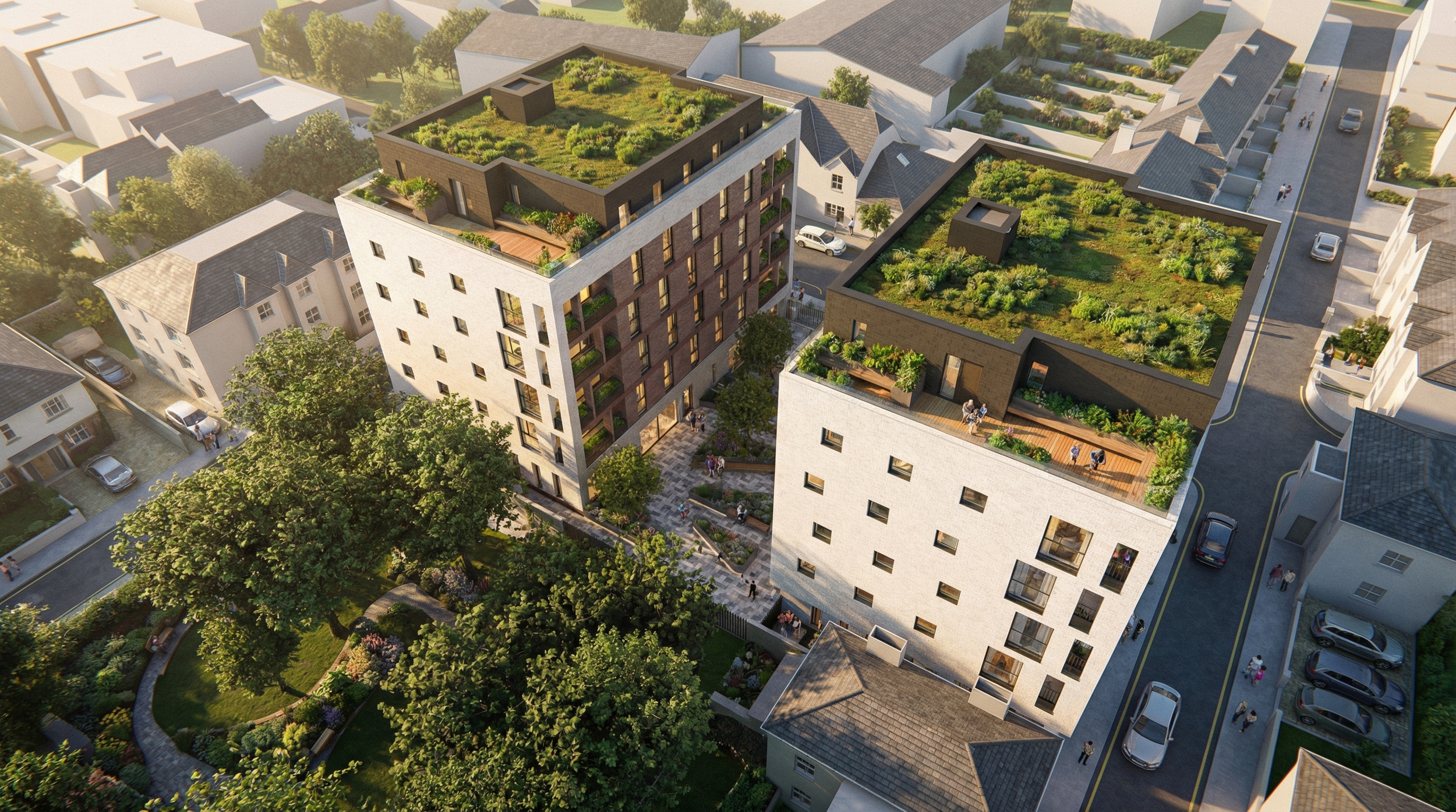
RYAN+LAMB Architects deliver sustainable, high-quality architecture that responds to landscape, resources and biodiversity. Sustainability drives our design from the outset. We create climate-conscious, durable buildings that enhance communities and balance natural and built environments with measurable environmental impact.
02
Designed for life
Wellbeing & Inclusivity
03
Built to last
Efficiency & Durability
01 Always evolving
Modern Methods of Construction (MMC)
We are passionate advocates for the evolution of architecture and construction. By partnering with modular construction specialists, we integrate Modern Methods of Construction into our housing, office and education projects.
Precision & Waste Reduction: Off-site manufacturing allows for higher precision, significantly reducing material waste and improving the thermal performance of the building envelope.
Efficiency: Streamlined construction timelines reduce the carbon footprint associated with on-site activity and community disruption.
Building Information Modeling (BIM)
BIM is the digital engine of sustainability. This sophisticated digital platform facilitates real-time collaboration and construction process visualisation, enhancing efficiency in construction projects. We utilise Building Information Modelling (BIM) not just as a coordination tool, but as a critical driver for sustainable outcomes. By creating a high-fidelity digital twin before a slab stone is laid, we can predict, analyse and optimise the environmental footprint of our designs.
Carbon Quantification: BIM allows us to perform detailed Life Cycle Assessments (LCA), enabling us to calculate and reduce the embodied carbon of materials at the earliest stages of design.
Operational Efficiency: Through advanced thermal modelling and solar analysis within the BIM environment, we can optimise building orientation and envelope performance to minimise long-term energy consumption.
Our use of BIM is inextricably linked to our commitment to Modern Methods of Construction (MMC). Digital precision ensures that off-site components fit perfectly, virtually eliminating site waste and secondary transport emissions. By maintaining a detailed digital record of materials and assemblies, we facilitate a "circular economy" approach, ensuring that buildings can be easily maintained, adapted, or deconstructed at the end of their life cycle.
02 Designed for life
Our team puts people at the heart of the design process. We believe a building is only truly sustainable if it serves its occupants effectively over its entire lifespan.
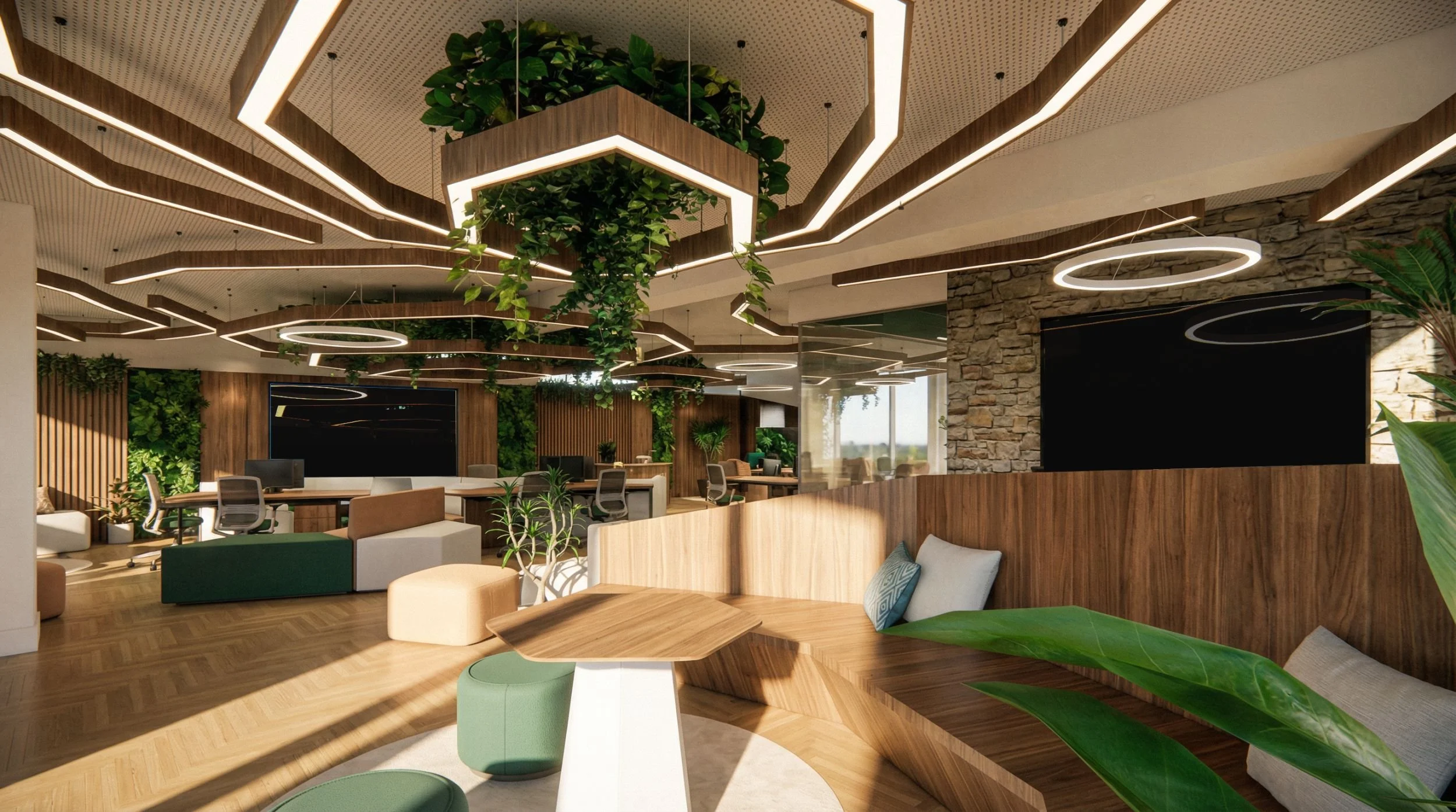
Health & Well-being: We focus on optimising air quality and ventilation, improving acoustics, incorporating biophilic design (natural light, materials, greenery), fostering social connection and ensuring spatial equity for mental and physical health.
Inclusive Design: Sustainability includes social responsibility. Our designs prioritise accessibility and adaptability, ensuring buildings remain functional as the needs and lives of the inhabitants evolve.
03 Built to last
Regardless of a project’s size or context, we apply a rigorous technical approach to the building fabric.
Energy Efficiency: By exploring innovative building technologies and materials, we aim to minimise operational energy demand from the outset. This may include optimising orientation, air tightness, insulation, high-performance windows, renewable energy integration and smart, responsive technology.
Durability: We select materials and construction methods that stand the test of time, reducing the need for intensive maintenance and premature renovation. Using materials with low embodied energy, such as locally sourced, recycled or natural materials. For example, Insulated Concrete Forms (ICF) in construction. Combining high-performance insulation with structural, high-thermal-mass concrete, ICF drastically reduce energy consumption (up to 75% lower running costs) and operational emissions. ICF blocks typically use 100% recyclable expanded polystyrene (EPS) too.
Reuse and Adaptation: Minimal demolition and structural alteration as well as use of existing furniture and fittings where possible.
"Sustainability is a fundamental driver of our design thinking. At RYAN+LAMB, we view the climate challenge as an opportunity for architectural innovation. By merging traditional design principles with innovation in BIM and MMC, we move beyond guesswork to data-driven design. This integrated approach allows us to see the environmental impact of a building throughout its entire life cycle, from the carbon footprint of its raw materials to its energy use decades from now. High-performance architecture needs to be as efficient as it is elegant. Beyond compliance, we’re committed to creating lasting, healthy spaces that feel good to live in and leave a gentle footprint on our planet.”
Rory Ryan, Partner
RYAN+LAMB Architects
